

Why am I getting back pain?

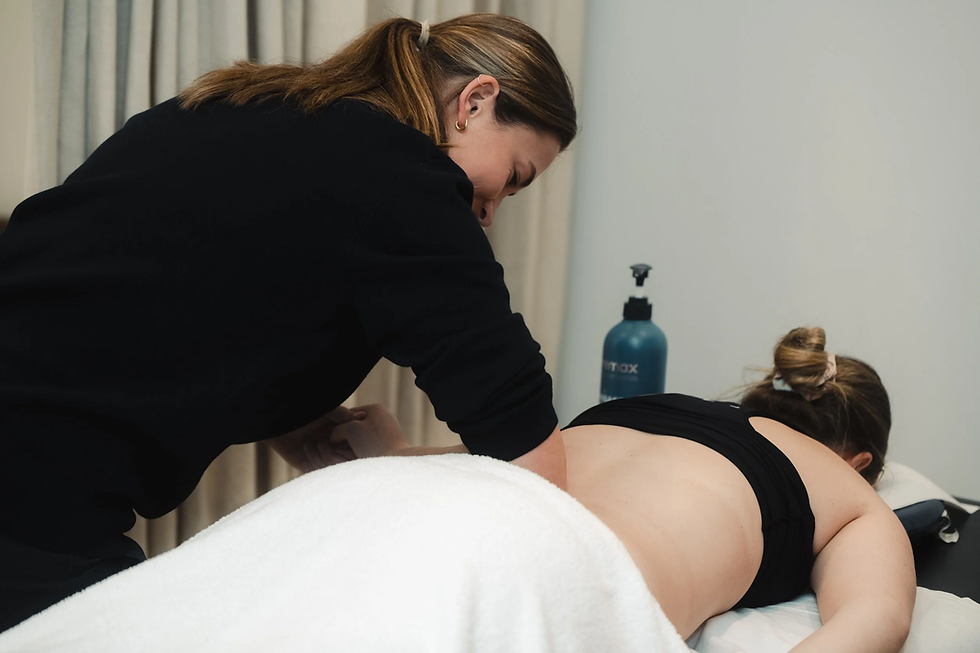
Back pain is incredibly common. So common that most people will experience at least one episode of low back pain at some point in their lives. For most, it settles within a few weeks.
Why does my lower back hurt when I sit?
First, it’s important to understand that the sitting itself isn’t the likely cause of your back pain. Many people assume their back pain is caused by “bad posture.” Poor movement habits can contribute to muscle tension and discomfort, especially if you stay in one position for long periods.
Slouched sitting postures are not associated with low back pain, as found by Ekelund et al. In 2016. Sitting duration is also not associated with the intensity of low back pain present. The cause of people’s low back pain is very multifactorial in nature, and could arise from things like cumulative tissue load, genetic factors, stress, sleep and more.
The limited importance of sitting for low back pain found in the above study suggests that low back pain likely depends on what people do outside of sitting.
What should I do for my back pain whilst sitting?
3 pieces of practical advice from a physiotherapist to minimise your risk of low back pain throughout the working day:
Change your position and posture as often as possible throughout the working day, examples of which include sitting upright, slouching, crossing your legs, standing and walking
Ensuring you get a recommended 30 minutes of moderate exercise a day around your working hours
Strengthening your trunk muscles including your back muscles, abdominal muscles, hip muscles and pelvic floor muscles, and gradually progressing your sitting time can improve your overall ability to tolerate sitting postures for longer without pain
Help - I’ve just injured my back! What do I do?
Research shows that staying active and returning to normal movement is often one of the best things you can do after an acute episode of low back pain. While back pain can feel alarming, pain does not always equal damage, and we know that complete rest and immobility often worsen people’s experience of back pain.
While low back pain is common, you should consult a physiotherapist if you experience any of the following: Pain that disrupts your sleep or prevents you from performing daily tasks, pain that travels down your legs or numbness, tingling, or weakness in your legs or feet.
If you experience rapid worsening in symptoms, especially weakness in your legs, numbness or tingling in your groin region or changes in bladder and bowel function, seek emergency care immediately.
Blog Post by Ali McGill (AHPRA Registration PHY0002586428)
Ekelund, U., Steene-Johannessen, J., Brown, W. J., Fagerland, M. W., Owen, N., Powell, K. E., Bauman, A., Lee, I. M., Lancet Physical Activity Series 2 Executive Committe, & Lancet Sedentary Behaviour Working Group (2016). Does physical activity attenuate, or even eliminate, the detrimental association of sitting time with mortality? A harmonised meta-analysis of data from more than 1 million men and women. Lancet (London, England), 388(10051), 1302–1310. https://doi.org/10.1016/S0140-6736(16)30370-1

Comments